How to run a harbor base in Rust and survive as a solo player
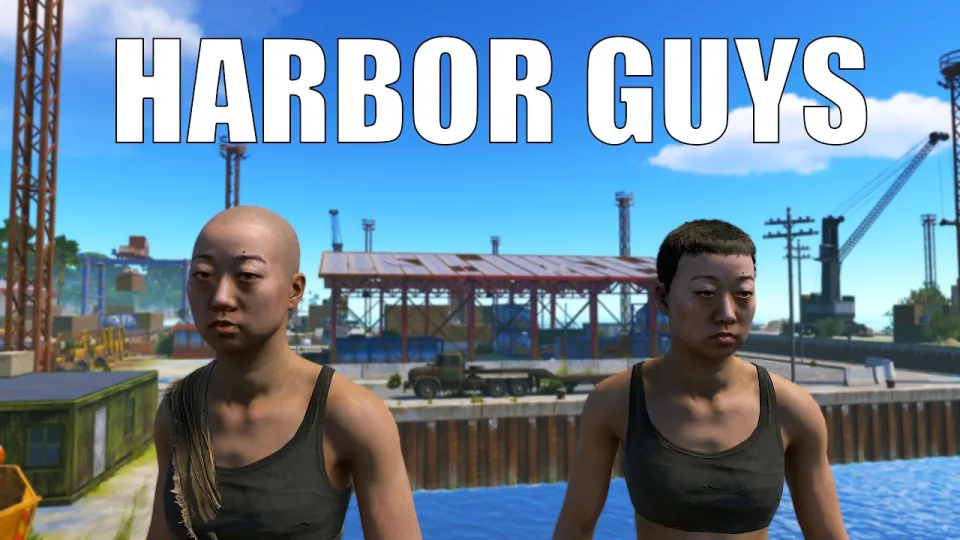
Video: harbor guys
Want articles like this for your own video to promote it on YouTube and Google? Order them through the Telegram bot @sat_sit_bot. It writes articles around your video, embeds the video and publishes them on popular niche websites (no ads). Free trial — 50 articles.
· based on the channel spoonkid2
A harbor base is one of the safest ways to start a solo wipe in Rust: you claim a small monument with a recycler, free crates and direct boat access, then use that foothold to farm scrap and reach the ocean monuments. Instead of fighting for a spot at Launch Site or Airfield, you build next to a harbor, recycle everything you find, and treat the water as your highway. The video breakdown below comes from the spoonkid2 channel and shows exactly how that routine plays out over a long session.
If you want a real-world reference for how a long survival run looks, the creators point viewers to 50% off a Factor box plus free breakfast for a year with the code SPOONKIDFB50 — useful when a wipe turns into a multi-hour session and cooking stops being an option.
Why a harbor base is the best solo start in Rust
A harbor gives a solo player three things that matter more than loot quality: a recycler, a safe place to spawn a boat, and low traffic. Large monuments attract groups with gear, but a harbor is usually ignored by big clans because its crates are green and blue tier at best. That is exactly the point — you are not there for the loot, you are there for the conversion rate.
A practical harbor start looks like this:
- Pick the harbor farthest from the map center and from the biggest clan bases.
- Put down a 1x1 or 2x1 base with a tool cupboard, a furnace and a sleeping bag within sight of the recycler.
- Farm the harbor crates, the nearby road and the shoreline barrels, then recycle everything that is not a component you need.
- Convert the scrap into a boat, a workbench and blueprints before you build anything bigger.
- Keep a second sleeping bag hidden in a bush outside the base so a raid does not end your wipe.
A harbor also teaches the rhythm of the game: short, low-risk trips out, quick returns, and a recycler within walking distance. That loop is what separates a wipe that lasts three days from one that ends in the first hour.
How to turn a harbor into oil rig and cargo runs
The harbor is a launchpad, not the destination. Once you have a boat and a small stash of components, the real Rust economy opens up: oil rig for military crates and cargo ship for a moving loot route that most players never contest properly.
Both are high-risk, so treat them as timed operations rather than adventures:
- Do not sail to oil rig without a boat you can afford to lose, plus a spare hull or enough wood to rebuild.
- Watch the horizon before you dock — a single counter-boat can end the run before you reach the first crate.
- Loot in a fixed order so you never wander: bottom deck, ladders, top floor, then out.
- On cargo, board from the side away from the bridge, take the crates closest to your exit first, and leave the moment you hear another engine.
- Bring a stack of meds and a melee tool; heavy weapons slow you down more than they save you in a solo run.
A common mistake is treating a cargo run as a guaranteed payday. In practice, many attempts end with nothing but a long swim, and that is normal. The players who profit are the ones who accept a failed run, go back to the harbor, recycle, and try again later.
What the harbor guys session actually shows
The spoonkid2 video is a long, relaxed survival session rather than a highlight reel: a small crew holds a harbor, jumps around the monument for fun, and gets into a handful of fights over several hours. The takeaway for a solo player is the pacing. There is no rush to a giant base, no attempt to out-gear a clan, and no panic when a run goes wrong.
A few practical lessons carry over to your own wipe:
- A session can be productive with only a few kills; the loot comes from crates and recycling, not from every fight.
- Silly detours — parkour on the harbor buildings, messing around with boats — cost nothing if your base is already secure.
- Roleplay and banter keep a long wipe fun, and fun is the actual reason most players quit or keep going.
- Losing a fight near your own monument is survivable because your respawn is seconds away, not a cross-map run.
That is the real argument for a harbor base: it makes failure cheap.
Typical questions from viewers of this kind of Rust video
Long survival videos always trigger the same doubts in the comments, and they are worth answering directly because they decide how you play.
- "Is a harbor base too poor to compete?" No. Low-tier crates plus a recycler produce scrap faster than a contested high-tier monument where you die every ten minutes.
- "How long should a session be?" As long as you are still making progress; a three-hour run with four kills and one big jump attempt is a normal, healthy wipe night.
- "Do I need a group?" No, but a second player makes ocean content far safer, because someone can watch the water while the other loots.
- "Should I cover up a bad fight?" In character, sure — a crew that insists everything is fine is funnier than one that panics. In game, rebuild, re-gear and move on.
The recurring theme is that patience and a safe respawn point beat raw aim in the early and mid wipe.
Where to find the servers and gear from the video
Everything the creators use is linked in one place, so you can join the same servers and pick up the same clothing:
- Rust servers and community: https://discord.gg/spoonkidrust
- Clothing store: https://monke.clothing
- Clothing on Instagram: https://www.instagram.com/monkeclothing/
- Clothing on Twitter: https://twitter.com/monkeclothing
- Creator on Twitter: https://twitter.com/spoonkid3
Joining a community server is the fastest way to test a harbor strategy, because wipe schedules and population are predictable and you can plan a start around them.
Final thoughts on the harbor playstyle
A harbor base works because it lowers the cost of every mistake: your respawn is close, your recycler is free, and your boat is always ready. The spoonkid2 breakdown shows the same idea in practice — a long, unhurried session where fun matters more than a perfect wipe, and where a few kills and one stubborn jump attempt are enough to fill an evening. Build small, recycle often, and treat oil rig and cargo as bonuses rather than obligations. If you want to keep the session going without stopping to cook, grab the Factor discount and free breakfast for a year with code SPOONKIDFB50 before your next long wipe night.
Key takeaways
- A harbor base gives a solo player a recycler, free crates and quick boat access without competing for a large monument.
- Harbor crates are low-tier, but the recycler turns junk components into scrap faster than most starter bases.
- The biggest solo risk is not PvP but time: long sessions with few kills still produce progress if the route is safe.
- Cargo ship and oil rig runs are the natural next step once a harbor base has a boat and basic gear.
- A duo or small group survives better than a lone player because someone can watch the water while the other loots.
Source: harbor guys · Markdown version
Questions & answers
Is a harbor base viable for a solo player in Rust?
Yes. A harbor gives you a recycler, low-tier crates and quick boat access in an area most clans ignore. The scrap conversion rate matters more than loot quality early in a wipe, and a nearby respawn makes every death cheap.
How do I survive oil rig and cargo runs alone?
Treat them as timed operations: check the horizon before docking, loot in a fixed order, and leave as soon as you hear another boat. Bring meds, keep a spare boat or enough wood to rebuild, and accept that many runs end with nothing.
Why do long Rust videos have so few kills?
Because most progress comes from crates, recycling and safe routes rather than fights. A multi-hour session with a handful of kills can still produce a workbench, blueprints and a stocked base if the player avoids unnecessary risk.
What should I do after losing a fight near my base?
Respawn, re-gear from your stash, and go back out on a different route. A hidden second sleeping bag and a small backup box outside the base keep one bad fight from ending the wipe.